charlie francis
-
WordPress blues, thinking about the design my blog
Trying to capture some of my design inspiration and reasoning for using wordpress twentytwenty five theme to publish my blog and portfolio.
Written by

-
A system for delivering better products
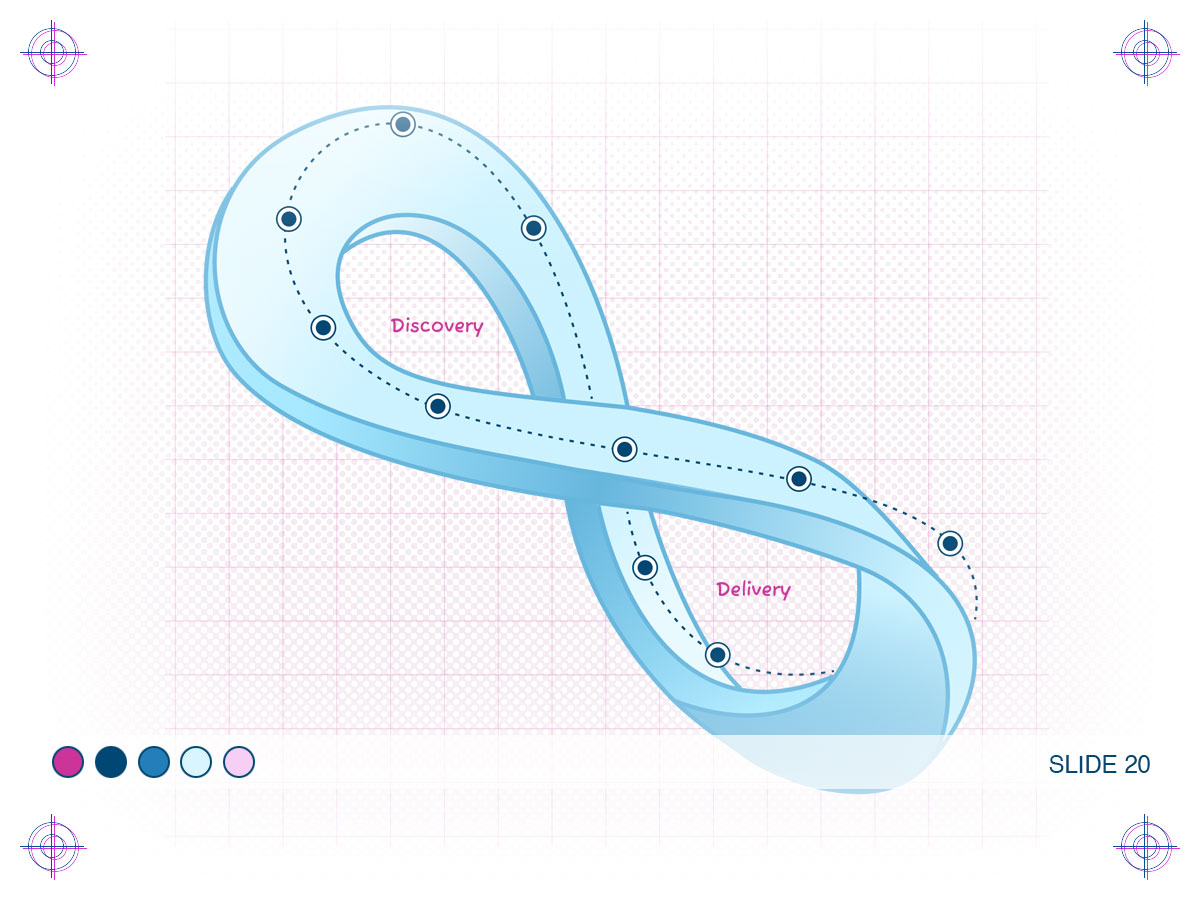
Aligning stories, slices, and continuous discovery This approach connects research, design, and delivery into a single system. Stories capture user needs and convey them through the whole process. Slices turn those needs into working software that can be tested and refined. Work moves from understanding to delivery through a process of continuous discovery. Ideas are…
Written by
-
Continuous improvement
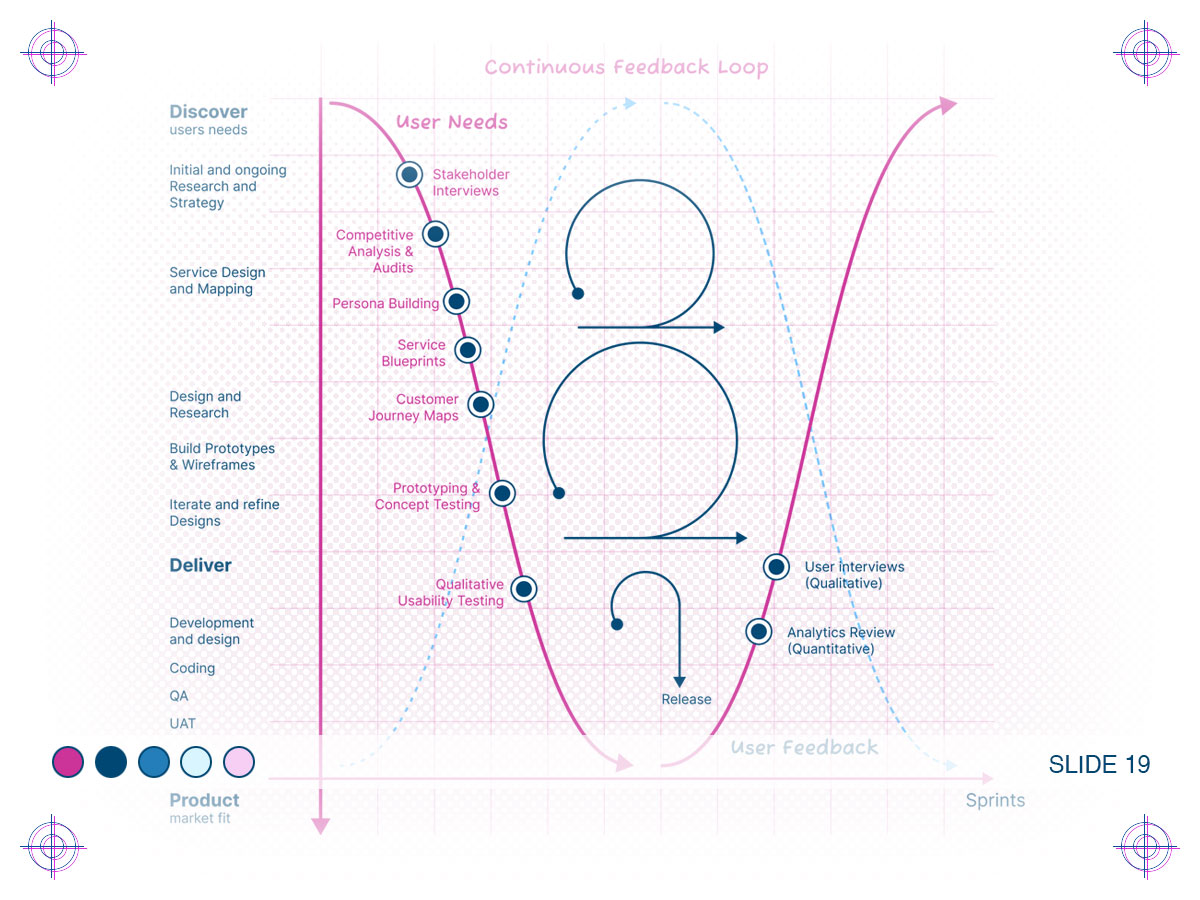
Small teams fast feedback working software Throughout the delivery process there are continuous opportunities to test and validate ideas. From early research through to live release, each stage builds confidence that the product is worth developing. Ideas are explored, prototyped, and tested before they are fully built. By the time work reaches development, it has…
Written by
-
Releasing functional slices
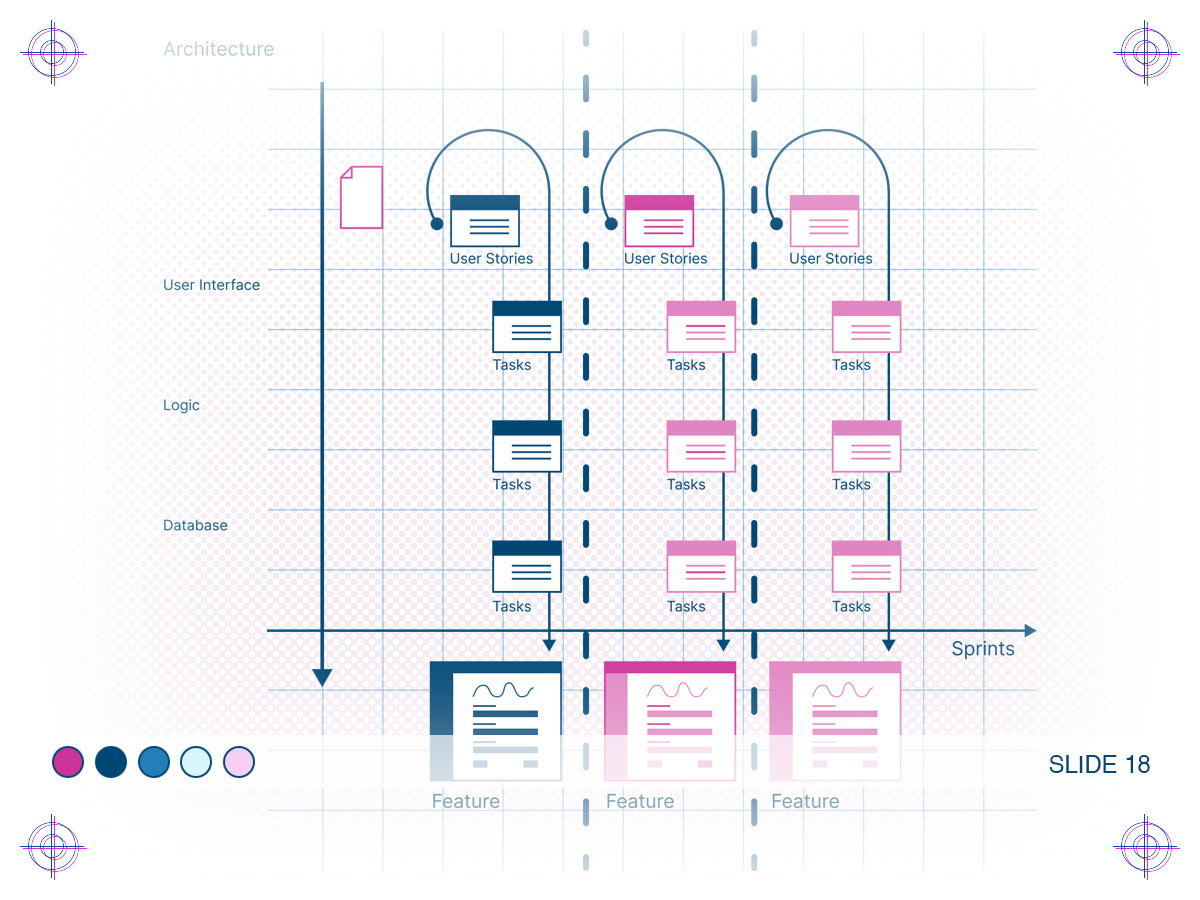
Delivering and validating early Work is delivered as functional slices, each one a complete piece of value that slices down though the system. Even small changes connect interface, logic, and data to create something usable. Breaking work down in this way allows teams to deliver frequently and learn quickly. Each slice can be tested in…
Written by
-
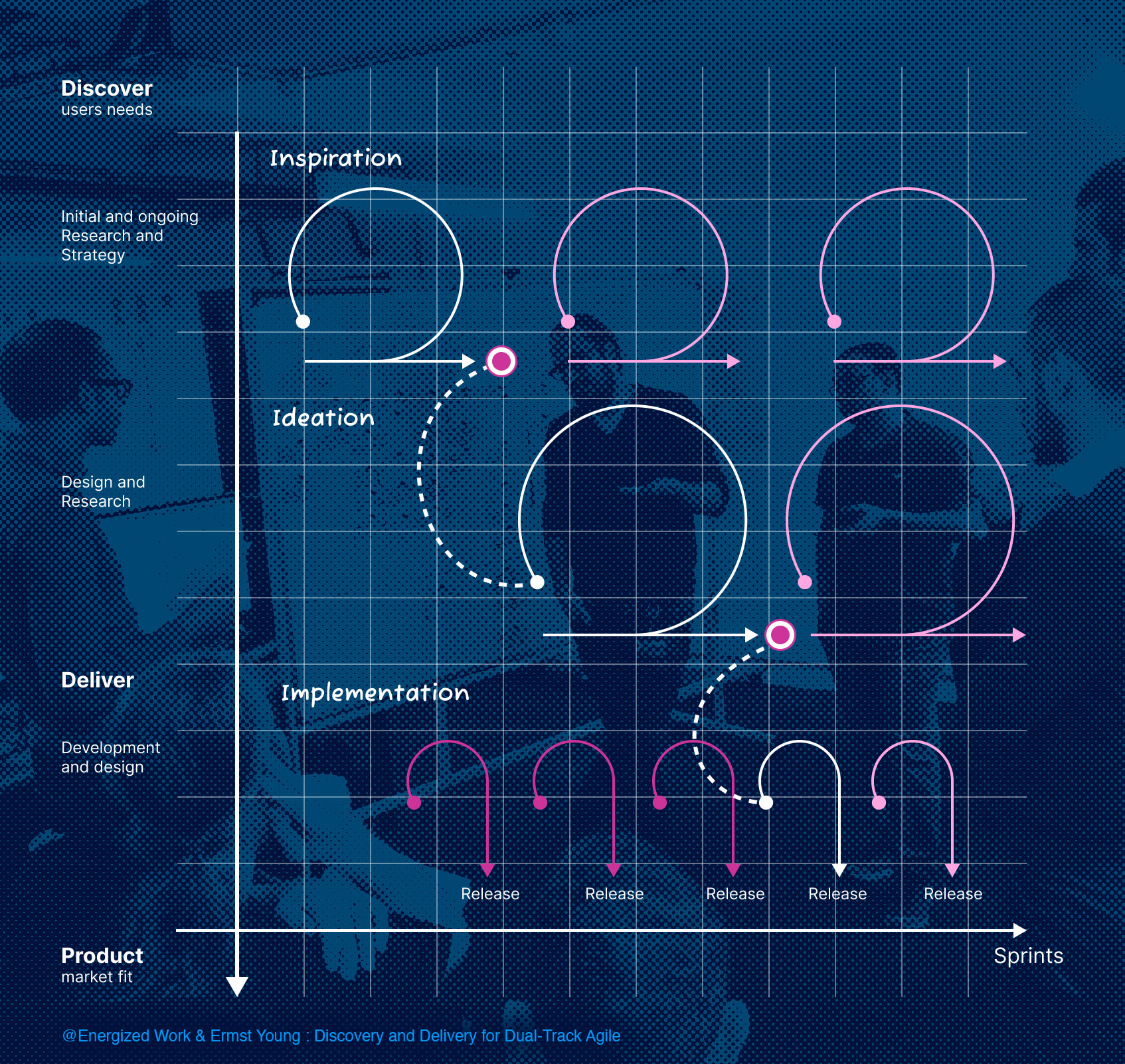
Design and development in practice
Design and development run in parallel User stories break the work into small, manageable pieces. Design evolves incrementally, staying close to development so ideas can be tested, adjusted, and improved as they take shape. While one part of the team tests and refines ideas, another turns validated designs into working software. Tested prototypes become real…
Written by
-
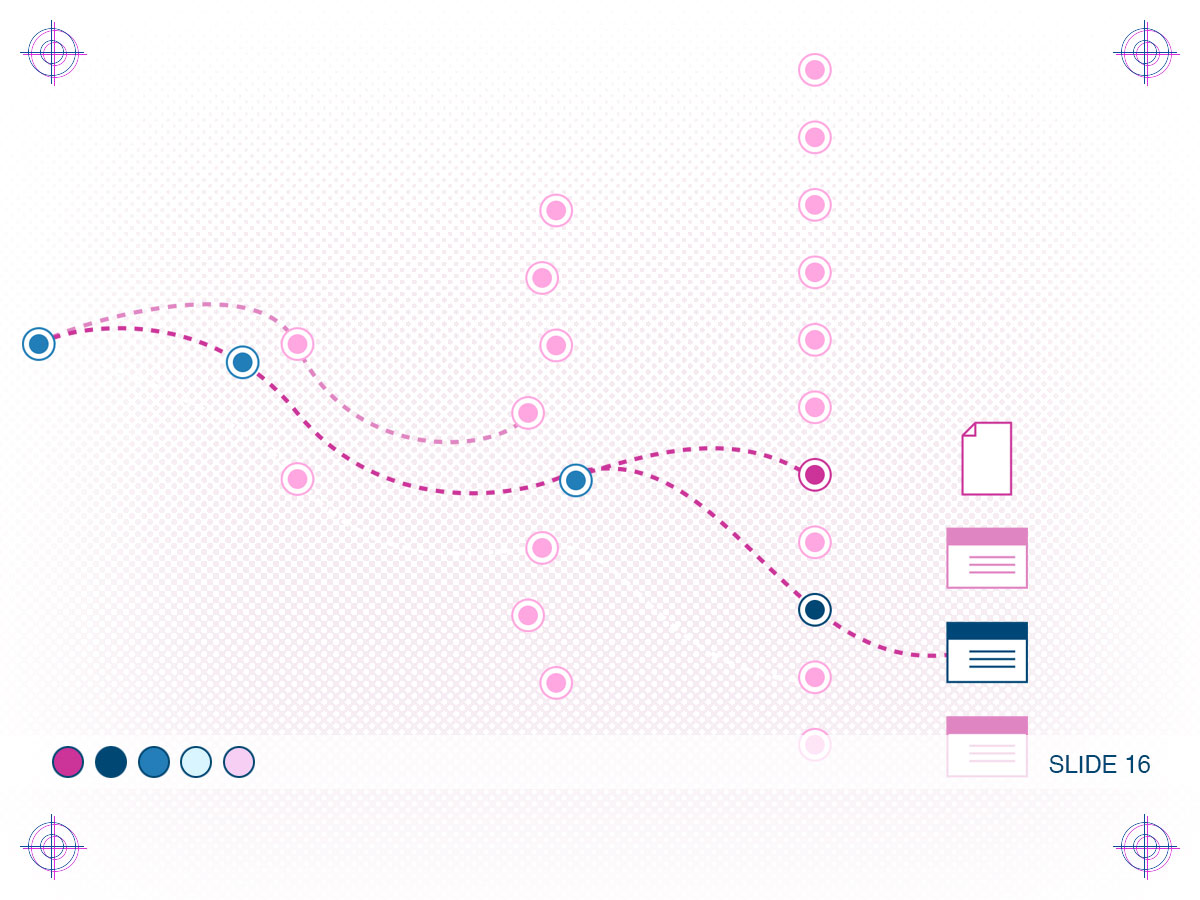
From Blueprint to backlog
Defining what to build Service blueprints make the full service visible, connecting user experience to supporting systems and processes. This helps teams identify where the real problems and opportunities sit. These insights are translated into epics and user stories, grounded in actual user needs. As the journey is mapped, the work becomes clearer and…
Written by
-
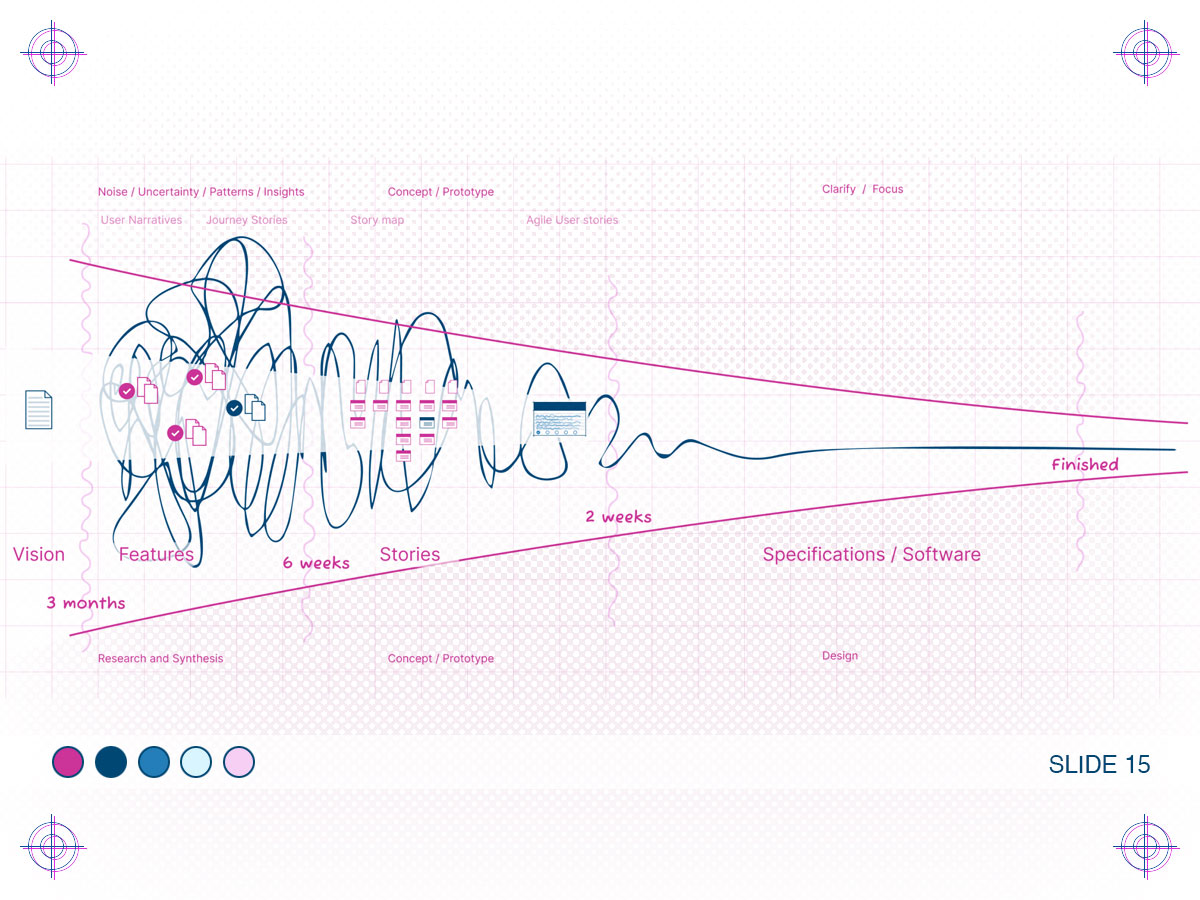
Full stack service design in practise
Connecting stories, slices, and delivery Service design connects thinking to delivery, moving from early ambiguity towards clear, testable outcomes. Stories carry ideas across this journey, linking research, decisions, and delivery into a continuous thread.User stories, service blueprints, and journeys guide this process. Design and development work together throughout, ensuring what is built is aligned, tested,…
Written by
-
Structuring the service and shaping the solution
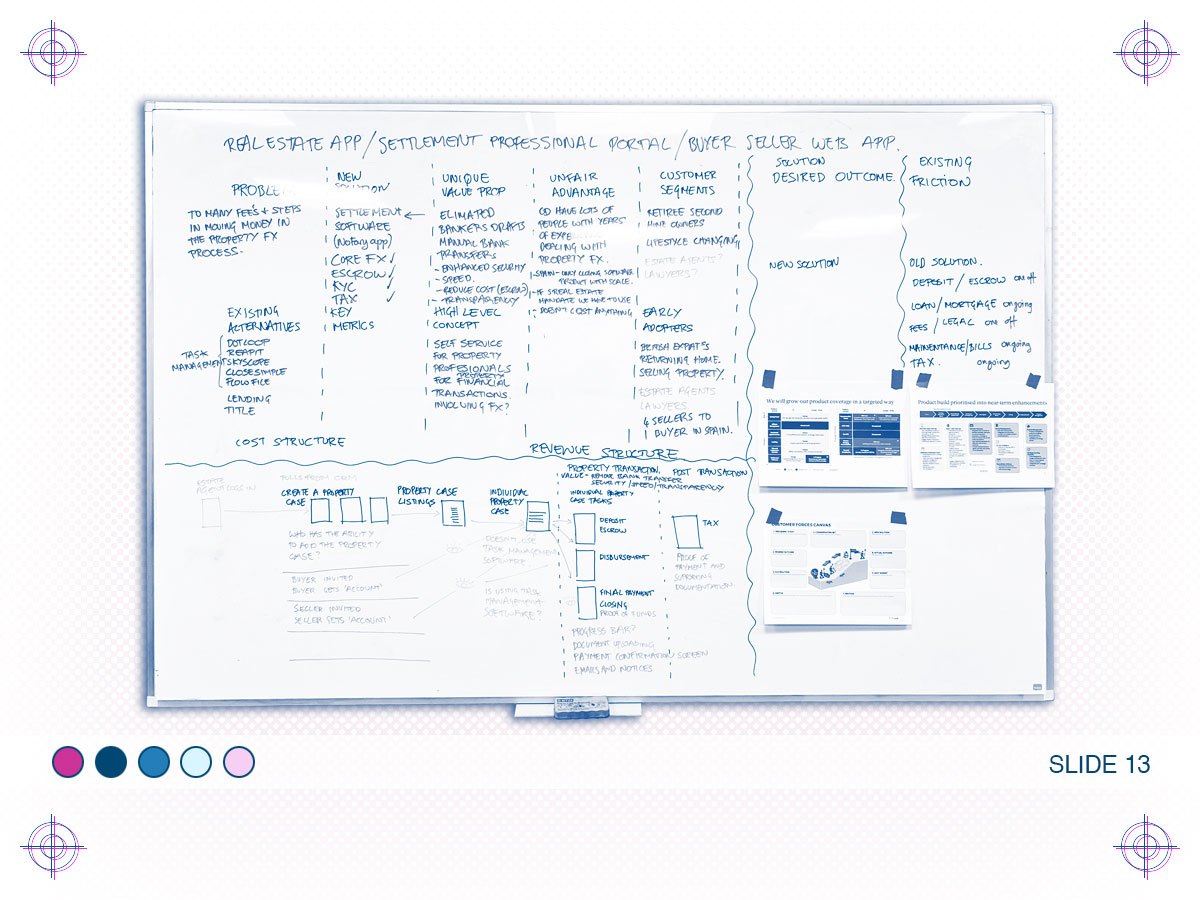
Meso level, what should we build? Translating high-level goals into user flows, features, and journey maps. Moving between abstract and concrete to turn opportunities into structured flows. This is where user behaviour is mapped, ensuring the service works logically before beginning further product development. Modelling the canvas Sketched a lean business canvas to define the…
Written by